Who Can Investigate Reportable Conduct? Internal Investigator Capability and External Licensing in NSW and WA
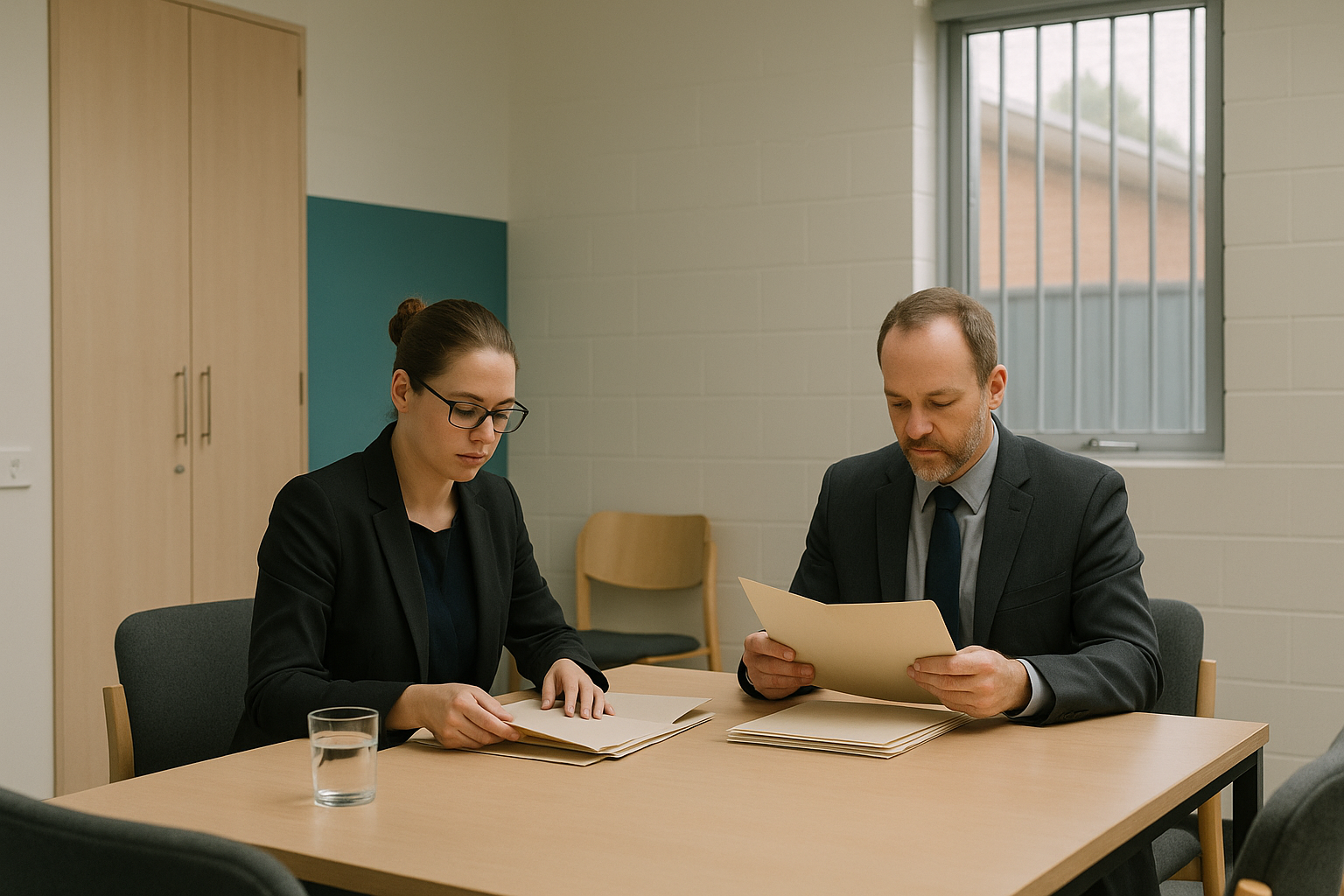
When a reportable conduct allegation arises, one of the first operational questions is who should investigate it. In New South Wales and Western Australia, that decision is not just about availability or cost. It also turns on whether the investigator is acting internally within the organisation or is being engaged externally, whether private investigator licensing is required, and whether the person selected can run a process that is trauma-informed and procedurally fair. For safeguarding leads, HR teams and executive decision-makers, the safest approach is to treat investigator selection as a compliance decision, not merely an administrative one.
Internal investigators: when they can usually act without a private investigator licence
In both NSW and WA, organisations commonly use internal employees to conduct workplace and safeguarding investigations. As a practical matter, internal personnel can generally investigate within the scope of their employment without holding a private investigator licence. That is particularly relevant where the matter sits within an organisation’s reportable conduct obligations and the investigator is an employee carrying out duties on behalf of the organisation.
In NSW, the licensing issue is especially important if an organisation is considering using someone from outside the business. The factual position is that external investigators need a Class 2E (Private Investigator) licence under the Security Industry Act 1997 (NSW), while internal employees are exempt when acting within their employment scope. That means a school, charity, care provider or religious body may often allocate a suitably skilled employee to investigate, provided the person is genuinely acting as an internal employee and not as an external contractor dressed up as one.
WA takes a similar practical approach to internal capability, but organisations still need to be careful when the investigator is not an employee. Under the WA framework, external investigators must be licensed under the Security and Related Activities (Control) Act 1996. If the organisation brings in a commercial investigator or specialist external consultant to conduct fact-finding, licensing should be checked before the appointment is confirmed.
The legal ability to investigate internally, however, does not automatically mean it is the best choice. An internal investigator may be exempt from licensing requirements, but still be unsuitable because of seniority, conflicts of interest, lack of training, or inability to manage a matter involving child harm allegations. Regulators expect investigations to be carried out by appropriately qualified people. Capability remains the core question.
When to appoint an external investigator in NSW or WA
External investigators are often appropriate where the allegation is serious, sensitive or structurally difficult for the organisation to manage internally. Examples include allegations against a principal, CEO, senior pastor, director, head of service or another person who is influential within the organisation. The same is true where there are multiple complainants, a high risk of perceived bias, parallel employment issues, or a need for specialist interviewing skills.
In NSW, if the organisation appoints an external investigator to undertake the investigation as a commercial service, the organisation should confirm that the investigator holds the required Class 2E licence. In WA, equivalent checks should be made against the licensing requirements under the relevant WA legislation. This should happen at procurement stage, not after the investigation has started.
It is also good practice to document why an external investigator was selected. That record might refer to complexity, independence, specialist child safeguarding experience, witness management needs, or conflict concerns. If the regulator later reviews the matter, that rationale can help show that the head of entity turned their mind to appropriateness and independence, rather than simply outsourcing the work without scrutiny.
External appointment also does not remove the organisation’s responsibility. The head of entity remains responsible for meeting scheme requirements, including notification timeframes, oversight of the investigation and reporting to the regulator.
Capability matters: what “appropriately qualified” should look like
Whether the investigator is internal or external, regulators expect more than basic HR experience. In practice, organisations should be able to show that the person has investigation training, understands child-focused safeguarding concerns, and can conduct interviews and findings processes fairly and competently.
A common benchmark is Certificate IV in Government Investigations, but that should not be treated as the only indicator of competence. For reportable conduct matters, organisations should also look for:
- experience dealing with allegations involving children
- trauma-informed interviewing capability
- understanding of procedural fairness obligations
- ability to assess evidence on the civil standard, being the balance of probabilities, with appropriate care for serious allegations
- capacity to prepare clear, regulator-ready reports.
This last point matters because reportable conduct investigations are not criminal trials. The applicable standard is the civil standard of proof. Findings are made on the balance of probabilities, guided by the Briginshaw principle for serious allegations. Investigators therefore need to understand how to make careful, evidence-based findings without importing a criminal standard.
Capability should be evidenced, not assumed. Keep records of qualifications, licences where applicable, CVs, role descriptions, prior safeguarding investigation experience, and any professional development in child-safe practice.
How to evidence trauma-informed practice and procedural fairness
In both NSW and WA, a defensible investigation process should be visibly trauma-informed and procedurally fair. Those concepts are related, but not the same.
A trauma-informed approach requires the investigator and organisation to minimise avoidable harm to children and other participants. In practice, that can include limiting unnecessary repeat interviews, planning interviews carefully, considering support persons, using developmentally appropriate communication, and coordinating information-gathering so the child is not asked to retell distressing events multiple times without good reason. It also means being alert to power imbalances, cultural considerations and the emotional impact of the process on all parties.
Procedural fairness requires the respondent to be informed of the substance of the allegations in a fair way, given a reasonable opportunity to respond, and assessed by an unbiased decision-maker. It also requires genuine consideration of exculpatory material, not merely building a case against the subject of allegations.
To evidence both, organisations should maintain a clear investigation file that includes:
- the reason the investigator was selected
- confirmation of employment status or external licence status
- conflict of interest checks
- an investigation plan
- interview protocols and support arrangements
- records of notices given to the respondent
- reasons for any decision not to interview a particular witness
- findings linked to evidence
- oversight by the head of entity or delegated executive.
This documentation can be critical if the NSW Office of the Children’s Guardian or Ombudsman WA later examines whether the organisation handled the matter properly.
A practical decision framework for NSW and WA organisations
A simple operational sequence can reduce compliance risk.
First, decide whether the matter can be handled internally without compromising independence, capability or confidence in the outcome. Second, if considering an external investigator, verify the licensing position before engagement. In NSW, that means checking for a Class 2E licence where required. In WA, it means checking compliance with the WA licensing regime for external investigators. Third, test the investigator’s capability in safeguarding-specific work, not just general workplace investigations. Fourth, build the process around trauma-informed practice and procedural fairness from the outset.
Finally, remember that investigator selection sits within a broader reportable conduct framework. In NSW, initial notification is due within 7 business days and the final report within 30 calendar days. In WA, initial notification is due within 7 working days and a final report is provided on conclusion. Those timeframes mean organisations should not wait until after notification to think about investigator suitability.
Key takeaways
- Internal employees can generally investigate reportable conduct matters without private investigator licensing when acting within the scope of employment.
- In NSW, external investigators need a Class 2E (Private Investigator) licence under the Security Industry Act 1997 (NSW).
- In WA, external investigators must be licensed under the Security and Related Activities (Control) Act 1996.
- Licensing is only part of the test; the investigator must also be appropriately qualified and capable of trauma-informed, procedurally fair practice.
- Organisations should document investigator selection, conflict checks, qualifications, licensing status and the fairness safeguards built into the process.
- The head of entity remains responsible for compliance with reportable conduct notification, investigation and reporting obligations.