Latest Intelligence
Authoritative updates, analysis, and regulatory news across the Reportable Conduct Scheme network.
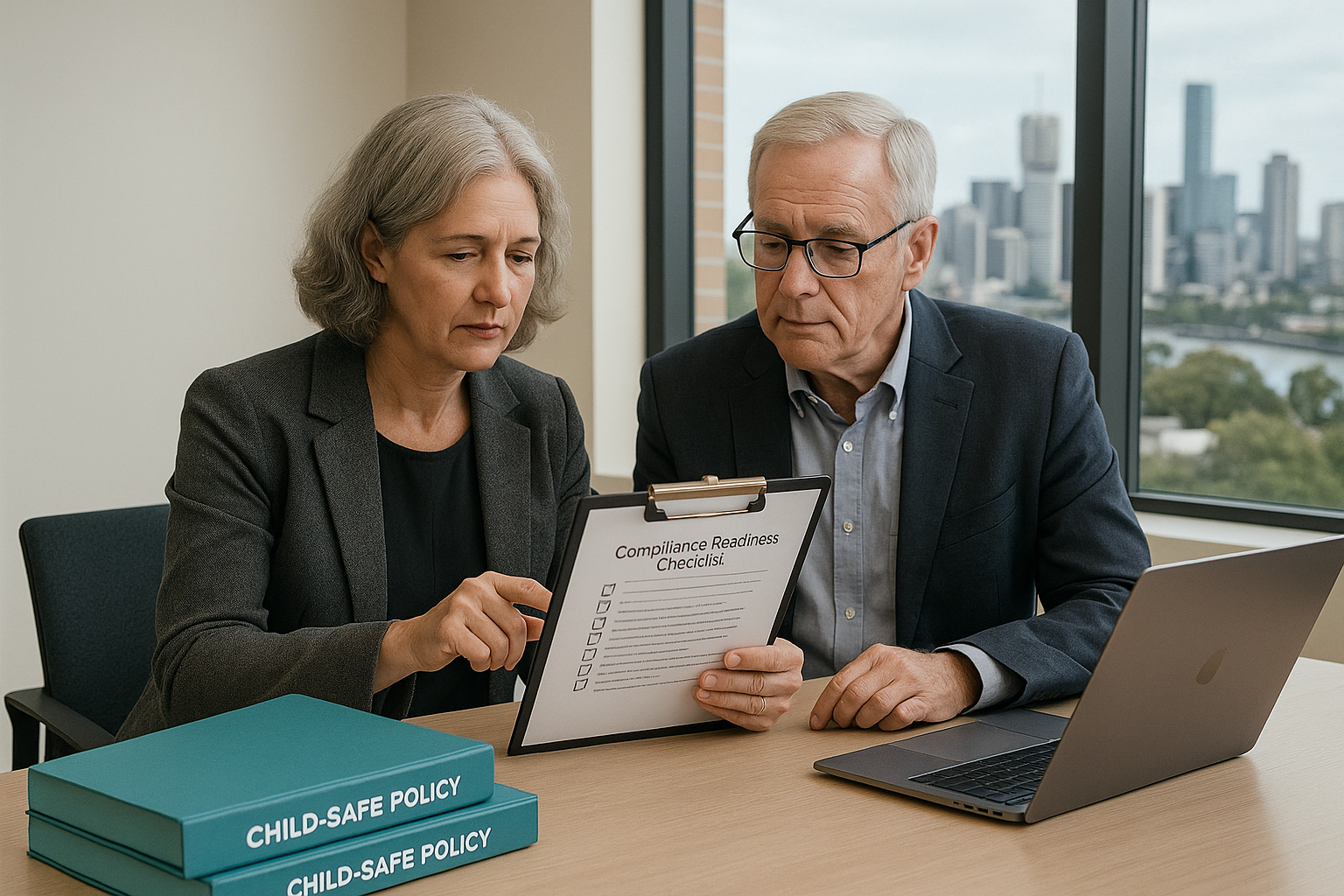
Queensland’s Reportable Conduct Scheme: Final Readiness Priorities Before 1 July 2026
Queensland organisations have limited time to test reporting lines, investigation capacity, and board oversight before the new scheme starts on 1 July 2026.
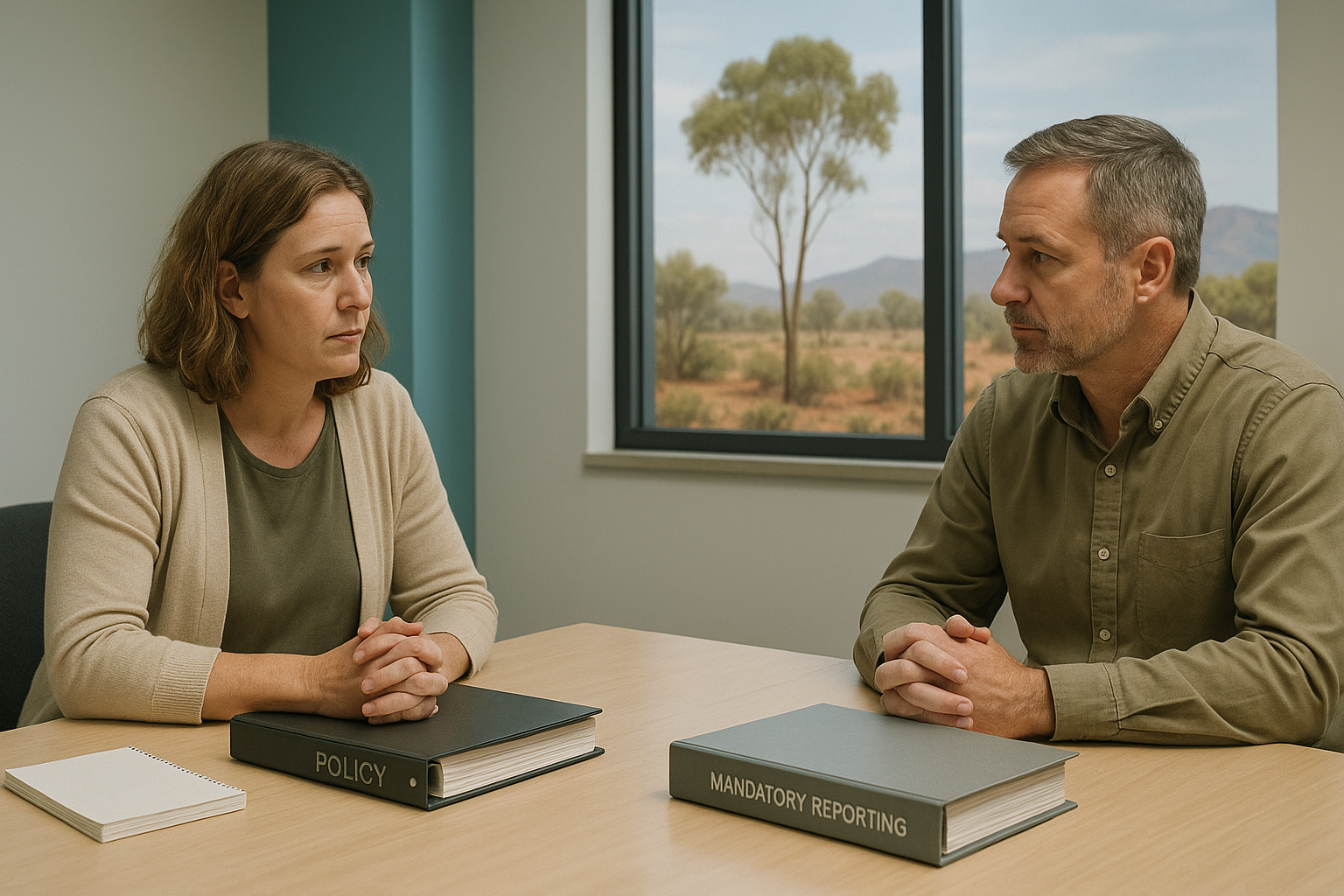
Beyond Reportable Conduct Schemes: What South Australia and the Northern Territory Require Instead
No statutory reportable conduct scheme does not mean lower expectations; it means leaders must understand a different compliance framework.

Training the First Responders: What HR, Principals and Service Managers Need to Practise Before an Allegation Lands
The quality of the first 24 hours often determines whether an organisation protects children, preserves evidence, and meets its reporting obligations.

Edition 2026-W36: Readiness, triage and investigator choice across Australia
This week’s edition focuses on the practical systems organisations need now: Queensland readiness, cross-jurisdiction triage, investigator selection, first-responder training, and the distinct compliance settings in South Australia and the Northern Territory.

Who Can Investigate Reportable Conduct Allegations in 2026? Licensing, Independence and Procedural Fairness
Choosing the wrong investigator can compromise both the process and the outcome, especially where licensing rules and fairness obligations intersect.

Cross-Jurisdiction RCS Timeframes: Building One Triage Process for NSW, VIC, WA, ACT and Tasmania
One triage model can support multiple schemes, but only if notification clocks, evidence handling, and regulator updates are mapped precisely by jurisdiction.
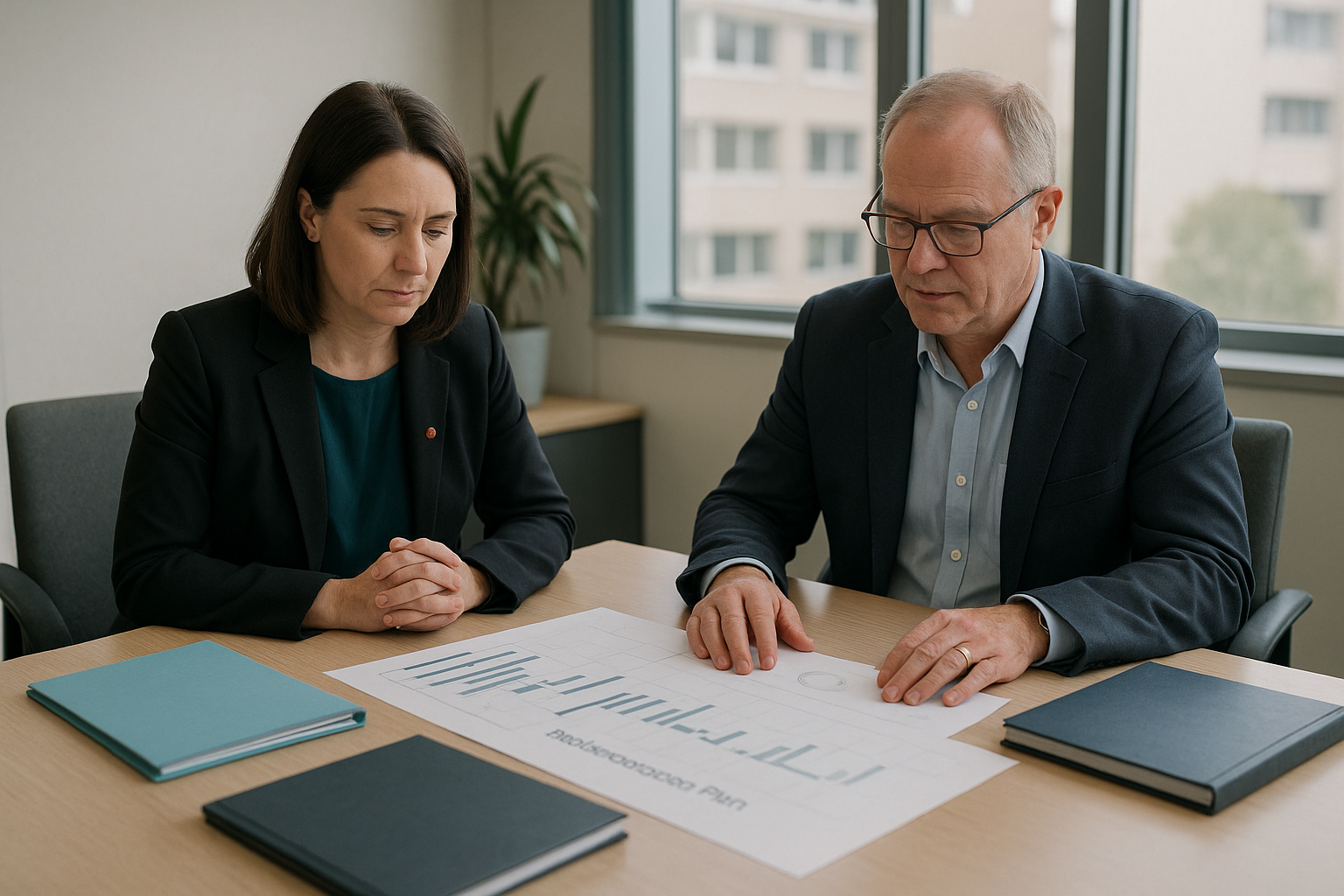
Queensland RCS Commencement: What In-Scope Leaders Must Finalise Before 1 July 2026
With Queensland’s scheme starting on 1 July 2026, leaders should now lock down reporting lines, triage protocols, and investigation capability.

From Principles to Practice: Aligning National Child Safe Expectations with Victoria’s Expanded Worker Definition
Victoria’s expanded worker coverage sharpens how national child safe principles should be applied to labour-hire, secondees, and owner-operators.

Training Beyond the Annual Module: Building RCS and Child-Safe Capability in South Australia and the Northern Territory
Even without a statutory RCS, organisations in South Australia and the Northern Territory still need disciplined, role-specific safeguarding training.

Who Should Investigate? Internal Fact-Finders, External Investigators, and Licensing Traps in NSW and WA
Choosing the wrong investigator can compromise compliance, especially where external licensing requirements apply in New South Wales and Western Australia.

Reportable Conduct Timeframes Compared: A Multi-Jurisdiction Compliance Map for National Providers
National providers need one reporting framework that still respects each jurisdiction’s distinct notification and final report deadlines.

Edition 2026-W35 | Readiness, timeframes and investigation choices across Australia
This week’s edition focuses on the practical safeguarding systems leaders need now: Queensland commencement readiness, multi-jurisdiction reporting timeframes, investigator selection, capability-building in SA and NT, and Victoria’s expanded worker coverage.

Procedural Fairness in Victorian Reportable Conduct Investigations After the Transfer to the Social Services Regulator
Victorian employers need investigation processes that are timely, defensible and fair to all parties under the SSR’s oversight model.

No Statutory Reportable Conduct Scheme in South Australia and the Northern Territory: How National Child Safe Principles Fill the Governance Gap
Where no statutory reportable conduct scheme exists, stronger internal systems become essential for consistent safeguarding decisions and executive accountability.

Trauma-Informed Interviewing for Reportable Conduct Matters: Training Priorities from Tasmania to the ACT
Training should move beyond legal definitions to build interviewing, documentation and escalation skills that protect children and support reliable findings.

External Investigators and Private Investigator Licensing: A Cross-Jurisdiction Compliance Check for NSW and WA
Before engaging an external investigator, organisations should confirm licensing status, scope of engagement and whether internal investigators can lawfully manage the matter.

Queensland’s Reportable Conduct Scheme Commencement: What Entity Heads Must Have Ready Before 1 July 2026
Queensland leaders should use the final lead-in period to test reporting pathways, investigator capability and board oversight before the scheme starts.

Edition 2026-W34 | Readiness, rigour and investigator capability across Australia’s safeguarding landscape
This week’s edition focuses on the systems, skills and governance settings organisations need to manage reportable conduct matters lawfully, fairly and with confidence across different Australian jurisdictions.

Edition 2026-W33: Readiness, notification workflows and first-response practice
This week’s edition focuses on the practical systems organisations need now to manage reportable conduct, strengthen first-response practice and align child safe governance across jurisdictions.

National Principles in Practice: Aligning Child Safe Standards Governance Across Federal, ACT and Service-Based Systems
Strong child safe governance connects standards, complaints, workforce controls and child participation rather than treating them as separate compliance tasks.

Training the First Response: What Frontline Staff Need to Know in Tasmania, South Australia and the Northern Territory
Frontline staff need short, practical training that distinguishes immediate child safety actions from later fact-finding and reflects each jurisdiction’s legal framework.

Who Can Investigate Reportable Conduct? Internal Investigators, PI Licensing and Procedural Fairness in NSW, WA and Victoria
Choosing the wrong investigator can compromise both regulatory compliance and fairness to the respondent, especially where licensing rules or expanded worker definitions apply.

Cross-Jurisdiction Notification Timeframes: Building One Workflow for NSW, VIC, WA, ACT and Tasmania
Multi-state organisations can reduce reporting errors by designing one escalation process that accommodates each jurisdiction’s different notification and final report deadlines.

Queensland Reportable Conduct Scheme: Final Readiness Priorities Before 1 July 2026
Queensland leaders should use the final lead-in period to test notification, triage and reporting workflows before the new scheme starts on 1 July 2026.

Cross-Jurisdiction Reporting Deadlines Matrix: Building One Workflow for NSW, VIC, WA, ACT and Tasmania
A unified triage workflow can reduce deadline risk across jurisdictions without flattening critical legal differences.

Beyond Reportable Conduct: Aligning Child Safe Standards With Mandatory Reporting in South Australia, the Northern Territory and Commonwealth Frameworks
Strong child-safe systems do not depend on a statutory reportable conduct scheme to be effective.

Trauma-Informed Interviewing for Frontline Leaders: What Tasmania’s Emphasis Means for National Training Programs
Refreshed training should teach leaders how to receive concerns without contaminating evidence or increasing distress.

Edition 2026-W32: Deadlines, investigators and child-safe systems that hold up under pressure
This week’s edition focuses on the practical systems leaders need now: Queensland readiness, cross-jurisdiction deadline control, investigator fit, trauma-informed interviewing and child-safe compliance beyond statutory reportable conduct schemes.

Who Can Investigate a Reportable Conduct Matter in 2026? Licensing, Independence and Procedural Fairness in NSW, Victoria and WA
The wrong investigator can compromise both regulatory compliance and the defensibility of findings.

Queensland’s Reportable Conduct Scheme Starts 1 July 2026: What Entity Heads Must Do in the First 90 Days
Queensland leaders have little margin for error as 3-business-day notifications and 30-business-day interim reporting become mandatory.

Who Can Investigate a Reportable Conduct Matter? Licensing, Independence and Investigator Selection in NSW, VIC and WA
Choosing an investigator is a compliance decision, not just an HR one, especially where licensing and fairness obligations intersect.

Edition 2026-W31: Readiness, triage and investigator choice across the reportable conduct landscape
This week’s edition focuses on the practical systems, training and governance settings organisations need to strengthen reportable conduct decision-making across jurisdictions.
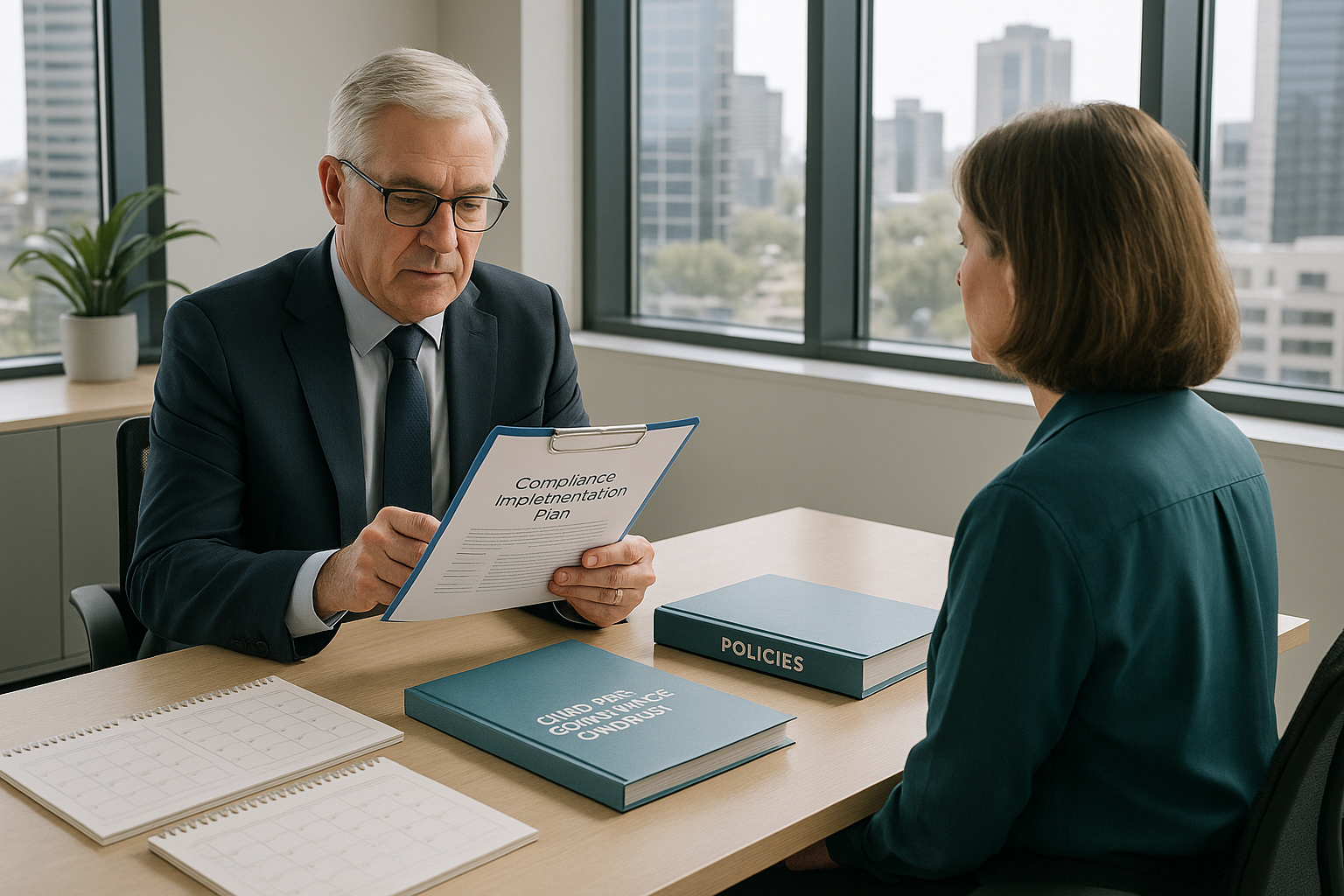
Queensland’s Reportable Conduct Scheme: Final Readiness Priorities Before 1 July 2026 Commencement
Queensland leaders should use the final lead-in period to test notification pathways, investigation capability and board oversight before the scheme begins.

Reportable Conduct Across Borders: Building One Triage Framework for NSW, VIC, WA, ACT and Tasmania
A unified triage model can reduce delay and confusion, but only if jurisdiction-specific notification clocks are built into the workflow.

From Induction to Refreshers: Training Content That Actually Supports Reportable Conduct Decision-Making in SA and the NT
Even without a statutory scheme, SA and NT organisations need training that sharpens incident recognition, escalation judgement and documentation discipline.

National Principles in Practice: Using Child Safe Standards to Strengthen Reportable Conduct Systems
The strongest reportable conduct systems are built on child safe culture, not deadlines alone.

Edition 2026-W30: Deadlines, investigators and governance gaps in reportable conduct compliance
This week’s edition focuses on the operational decisions that most affect reportable conduct compliance: first-response timeframes, investigator selection, trauma-informed capability and governance where no statutory scheme applies.

National Principles, No National Scheme: What SA, NT and Commonwealth Settings Mean for Child Safe Governance
Where no statutory scheme exists, boards still need clear pathways for allegations, culture oversight and child-safe accountability.

Training Beyond Mandatory Reporting: Building Trauma-Informed Reportable Conduct Capability in Tasmania and the ACT
The quality of the first response often depends less on policy wording than on whether staff have practised the conversation before it happens.

Who Can Investigate a Reportable Conduct Allegation? Licensing, Independence and Procedural Fairness in NSW, VIC and WA
Choosing the wrong investigator can compromise both the organisation’s findings and its standing with the regulator.

Multi-Jurisdiction RCS Compliance Map for 2026: Deadlines, Regulators and Escalation Points Across NSW, VIC, WA, ACT and TAS
For national operators, inconsistent state deadlines can quickly become a governance risk unless reporting pathways are mapped before the next allegation arises.
Queensland’s Reportable Conduct Scheme Starts 1 July 2026: What Entity Heads Must Have Operational Now
Queensland leaders have little margin for error: the first three business days after an allegation will shape compliance, regulator confidence, and child safety outcomes.

Edition 2026-W29 | Queensland goes live, cross-border deadlines and getting investigations right
This week’s edition focuses on the practical systems organisations need as Queensland’s Reportable Conduct Scheme begins, alongside cross-jurisdiction deadline risk, investigator selection, trauma-informed first response and national child-safe governance.

Beyond Reportable Conduct Schemes: What SA, NT and Commonwealth Child Safe Frameworks Mean for National Governance
National operators still need consistent child-safe governance even where no statutory reportable conduct scheme applies.

Training the First Responders: Building Trauma-Informed Intake and Escalation Skills for TAS, ACT and National Organisations
Frontline response quality often determines whether a matter is managed lawfully, sensitively and without compounding harm.

Who Can Investigate a Reportable Conduct Allegation? Internal Investigators, PI Licensing and Procedural Fairness in NSW, VIC and WA
Choosing the wrong investigator can undermine findings, delay reporting and expose the organisation to avoidable regulatory scrutiny.

Cross-Jurisdiction RCS Deadline Map: Comparing NSW, VIC, WA, ACT and Tasmania Reporting Timeframes
Small differences in statutory timeframes can create major compliance risk for organisations operating across multiple jurisdictions.

Queensland’s Reportable Conduct Scheme Starts 1 July 2026: What Entity Heads Must Have in Place Now
With Queensland’s scheme now live, entity heads need defensible intake, notification and investigation processes from day one.

Beyond Statutory Schemes: Child Safe Governance in South Australia and the Northern Territory
Absence of a statutory scheme does not reduce the need for disciplined child safe reporting, training and executive oversight.

Who Can Investigate? Licensing, Independence and Procedural Fairness in NSW, WA and Victoria
Choosing the wrong investigator can compromise both regulatory compliance and the defensibility of findings.

One Allegation, Three Deadlines: Building a Multi-Jurisdiction Reportable Conduct Workflow for NSW, VIC and TAS
A harmonised workflow can reduce delay and confusion, but only if local notification rules and evidence thresholds remain visible.

Queensland’s Reportable Conduct Scheme Starts 1 July 2026: The First 90 Days Compliance Plan
Queensland organisations now have a live reportable conduct regime, making day-one triage, notification and recordkeeping discipline critical.

Edition 2026-W28 | Queensland goes live, multi-jurisdiction workflows, and the investigator capability test
This week’s edition focuses on what live Reportable Conduct Scheme obligations mean in practice across Queensland and beyond, with particular attention to deadlines, investigator suitability, trauma-informed practice and child safe governance outside statutory schemes.

Trauma-Informed Interviewing for Reportable Conduct Matters: What TAS Guidance Means for National Training Programs
Training is no longer just about process; it must equip staff to minimise harm while gathering reliable information.

Queensland’s Reportable Conduct Scheme Starts 1 July 2026: What Entity Heads Must Do in the First 90 Days
Queensland leaders have little time to embed notification, triage and investigation workflows before the new scheme’s deadlines begin to bite.

Beyond Statutory Schemes: What South Australia and the Northern Territory Can Teach Boards About Child Safe Systems
Absence of a statutory scheme does not reduce board responsibility for robust child-safe governance, workforce controls and incident escalation.

Training the First Responders: Building Trauma-Informed Reportable Conduct Capability Across Tasmania, the ACT and the Commonwealth Principles
The quality of the first response often determines whether children are protected, evidence is preserved and the organisation meets its reporting obligations.

Using External Investigators Lawfully: Licensing, Independence and Procedural Fairness in NSW, Victoria and Western Australia
Selecting the wrong investigator can undermine both legal compliance and confidence in findings, especially where licensing rules and fairness duties intersect.

Cross-Border Reportable Conduct Compliance: Aligning NSW, VIC, WA, ACT and Tasmania Timeframes Without Over-Reporting
National providers need one operating model that respects different reporting clocks without creating confusion, delay or unnecessary regulator contact.

Edition 2026-W27: New reporting clocks, lawful investigations and stronger first-response practice
This week’s edition focuses on the practical systems leaders need for reportable conduct compliance, from Queensland’s new scheme and cross-border timeframes to lawful investigator engagement and trauma-informed first response.
Queensland’s Reportable Conduct Scheme Starts 1 July 2026: What Entity Heads Must Finalise Now
With commencement days away, Queensland leaders should confirm notification pathways, recordkeeping, and decision-making authority before the first allegation arrives.

No Statutory Reportable Conduct Scheme in SA and NT: How to Strengthen Child Safe Governance Without One
Absent a statutory scheme, internal governance settings become the primary control for timely escalation, oversight and child-safe decision-making.

Training Beyond Mandatory Reporting: Preparing Managers to Handle Reportable Conduct and Child Interviews
Managers need more than legal awareness; they need escalation discipline, documentation skills, and trauma-informed practice when concerns involve children.

Using External Investigators Lawfully: Licensing, Independence and Scope in NSW and WA
Before appointing an external investigator, confirm licensing, terms of reference, and child-safe interview capability to avoid procedural and legal missteps.

One Allegation, Three Clocks: Building a Multi-Jurisdiction Reportable Conduct Triage for NSW, VIC and TAS
Different statutory clocks create avoidable risk unless triage, escalation and regulator reporting steps are mapped jurisdiction by jurisdiction.

Edition 2026-W26: Countdown to Queensland, triage discipline, and getting investigations right
This week’s edition focuses on the practical safeguards organisations need now: Queensland commencement readiness, multi-jurisdiction triage, lawful use of external investigators, better manager training, and stronger governance in SA and NT.