Who Can Investigate Reportable Conduct? Internal Investigators, PI Licensing and Procedural Fairness in NSW, WA and Victoria
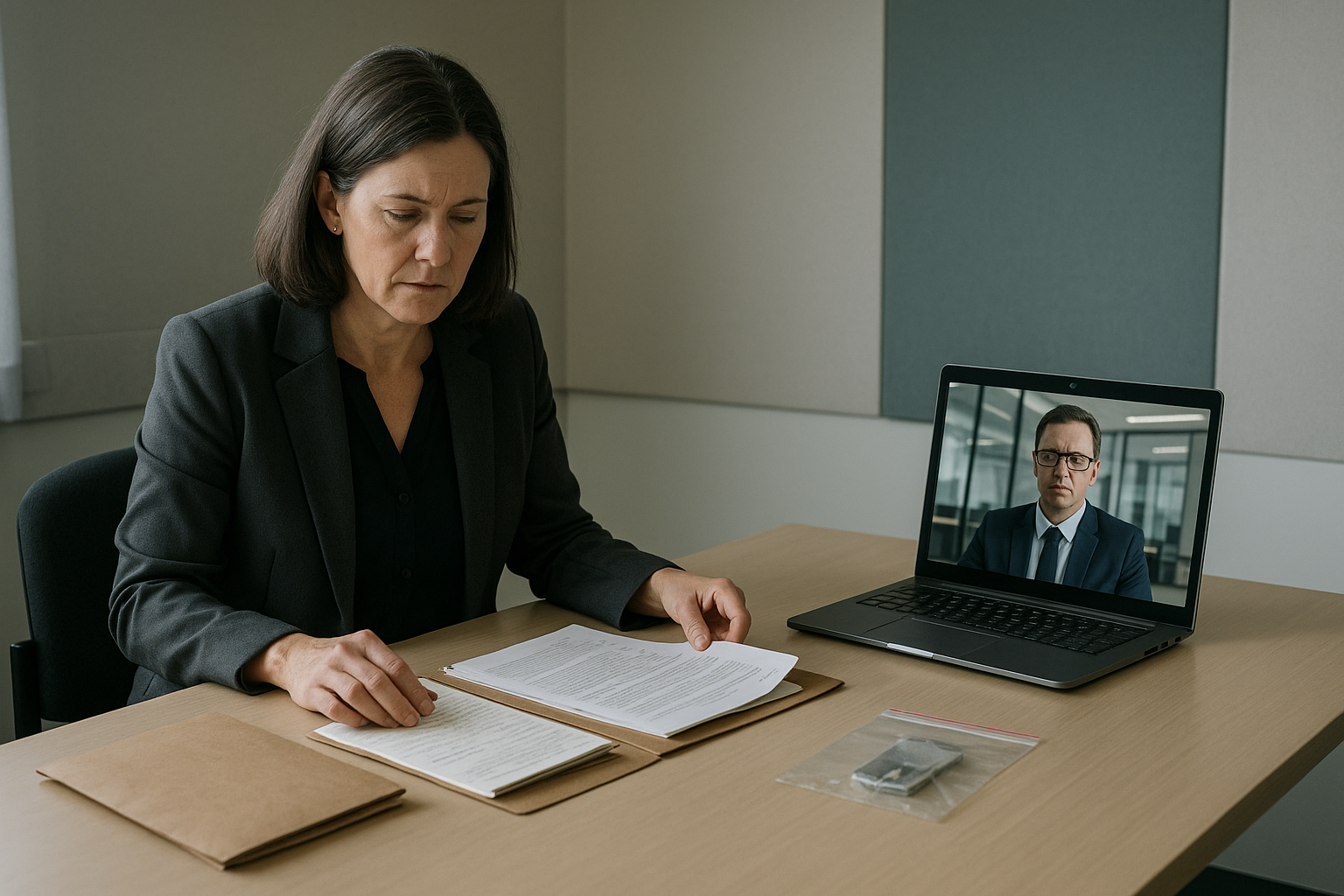
When a reportable conduct allegation arises, one of the first practical questions is who should run the investigation. In New South Wales, Western Australia and Victoria, the answer is not simply “HR” or “an external consultant”. Organisations need to consider the scope of the relevant scheme, whether the investigator is internal or external, whether private investigator licensing laws apply, and whether the proposed investigator can deliver a fair, defensible process. Appointment decisions should be guided by regulator expectations, the seriousness of the allegation, potential conflicts of interest, and the organisation’s capacity to conduct a trauma-informed investigation.
Start with the role, independence and capability of the investigator
Across reportable conduct matters, regulators expect investigations to be carried out by people who are appropriately qualified and able to assess allegations on the civil standard of proof. That means findings are made on the balance of probabilities, with appropriate caution for serious allegations.
In practice, the central question is not only whether someone can investigate, but whether they are the right person to do so in the circumstances. An investigator should be able to:
- understand the relevant reportable conduct framework
- plan and document the investigation properly
- gather and test evidence fairly
- interview adults and, where necessary, engage with child-focused and trauma-informed processes
- make reasoned findings
- provide procedural fairness to the respondent.
A common benchmark for capability is formal investigations training, such as Certificate IV in Government Investigations, supported by experience in workplace or safeguarding inquiries. In child-related matters, trauma-informed interviewing capability is especially important.
Internal investigators can be appropriate where the matter is relatively contained, there is no actual or perceived conflict, and the organisation has staff with sufficient training and authority. However, if the allegation is serious, likely to attract scrutiny from the regulator, involves senior personnel, or raises concerns about impartiality, an external investigator may be the safer choice.
When internal staff can investigate
In NSW, WA and Victoria, organisations often use internal staff to investigate reportable conduct allegations. As a general rule, internal employees acting within the scope of their employment are not treated the same way as external commercial investigators for private investigator licensing purposes.
That does not mean any manager can be appointed. Internal investigators should not be selected simply because they are available or senior. They need enough independence from the events, the people involved and the reporting lines affected by the allegation. Common problems include appointing:
- a manager who has prior involvement in the complaint
- a safeguarding lead who is also a material witness
- an HR adviser who has already advised on disciplinary strategy
- a school or service leader whose relationship with the respondent may undermine perceived neutrality.
A sound internal appointment process asks:
- Does the person have investigations training and experience?
- Are they sufficiently removed from the allegation and parties?
- Can they manage evidence and interviews properly?
- Can they provide procedural fairness without appearing defensive or biased?
- Will the regulator view the appointment as credible?
If the answer to any of these questions is doubtful, an external appointment should be considered early rather than after the process has become contested.
When external investigators need private investigator licensing in NSW and WA
The licensing position matters most when an organisation engages an investigator from outside its workforce.
In NSW, external investigators generally require a Class 2E (Private Investigator) licence under the Security Industry Act 1997 (NSW). The important distinction is between an external commercial provider and an internal employee acting within their employment role. Internal employees are exempt when operating within the scope of that employment. If an organisation engages an outside investigator or consultancy to gather facts and investigate allegations, it should check the licensing position before appointment.
In WA, external investigators must be licensed under the Security and Related Activities (Control) Act 1996. Again, the practical issue is whether the investigation is being undertaken by an internal employee or by an external provider offering investigative services.
This licensing question should not be treated as a technical afterthought. Using an unlicensed external investigator where a licence is required can undermine confidence in the process and create avoidable compliance risk. Before appointment, organisations should verify:
- the investigator’s licence status, where required
- the precise legal entity being engaged
- whether subcontractors will be used
- the investigator’s child-safeguarding and workplace investigation experience
- their understanding of reportable conduct obligations and timeframes.
Even where licensing is satisfied, organisations still need to assess independence, skill and suitability.
Victoria: focus on scheme expectations and procedural fairness
Victoria’s reportable conduct scheme sits under the Child Wellbeing and Safety Act 2005, and responsibility for the scheme transferred to the Social Services Regulator on 23 February 2026. Victoria places strong emphasis on procedural fairness, and that emphasis should directly shape investigator appointments.
Procedural fairness in this context means more than allowing the respondent to comment at the end. The investigator must approach the matter with an open mind, identify the allegations clearly, give the respondent a fair opportunity to respond to adverse information, and avoid pre-judgment. The process must also be documented carefully so the organisation can explain how findings were reached.
That is especially important in Victoria because the consequences of a substantiated reportable conduct finding can be significant for workers, volunteers and organisations. The expanded definition of “employee” in Victoria also means organisations may be investigating allegations involving labour-hire workers, secondees, and individual business directors or owners. That can create added complexity around access to records, employment status and who within the organisation is best placed to investigate.
A poor appointment decision can affect the whole process. For example, if the investigator lacks independence or mishandles the respondent interview, the issue may shift from the substance of the allegation to the fairness of the investigation itself.
Choosing between internal and external appointment
A practical decision-making framework is to match the investigator to the risk profile of the matter.
An internal investigator may be suitable where:
- the allegation is straightforward
- the facts are narrow and identifiable
- there is no apparent conflict of interest
- the respondent is not especially senior
- the organisation has trained investigators available.
An external investigator is often preferable where:
- the allegation is serious or potentially criminal in nature
- multiple children, staff or historic allegations may be involved
- senior executives or board-linked personnel are implicated
- there are likely conflicts of interest or credibility disputes
- the organisation lacks confidence in its internal capability
- regulator scrutiny is likely to be high.
Whichever model is used, the investigator should be clearly briefed on the reportable conduct framework, recordkeeping expectations, and the need to align the investigation process with regulator reporting requirements. In NSW, WA and Victoria, timeliness matters, but speed should not come at the expense of fairness or quality.
Key takeaways
- Internal staff can often investigate reportable conduct matters, but only where they are trained, impartial and appropriately senior.
- In NSW, external investigators generally need a Class 2E private investigator licence; internal employees acting within employment are exempt.
- In WA, external investigators must be licensed under the relevant state licensing law.
- In Victoria, appointment decisions should be strongly shaped by procedural fairness and the expectations of the Social Services Regulator.
- Licensing is only one part of the decision: independence, safeguarding experience, trauma-informed practice and investigation capability are equally important.
- If there is any real doubt about impartiality or competence, appointing an external, properly licensed investigator is usually the more defensible course.